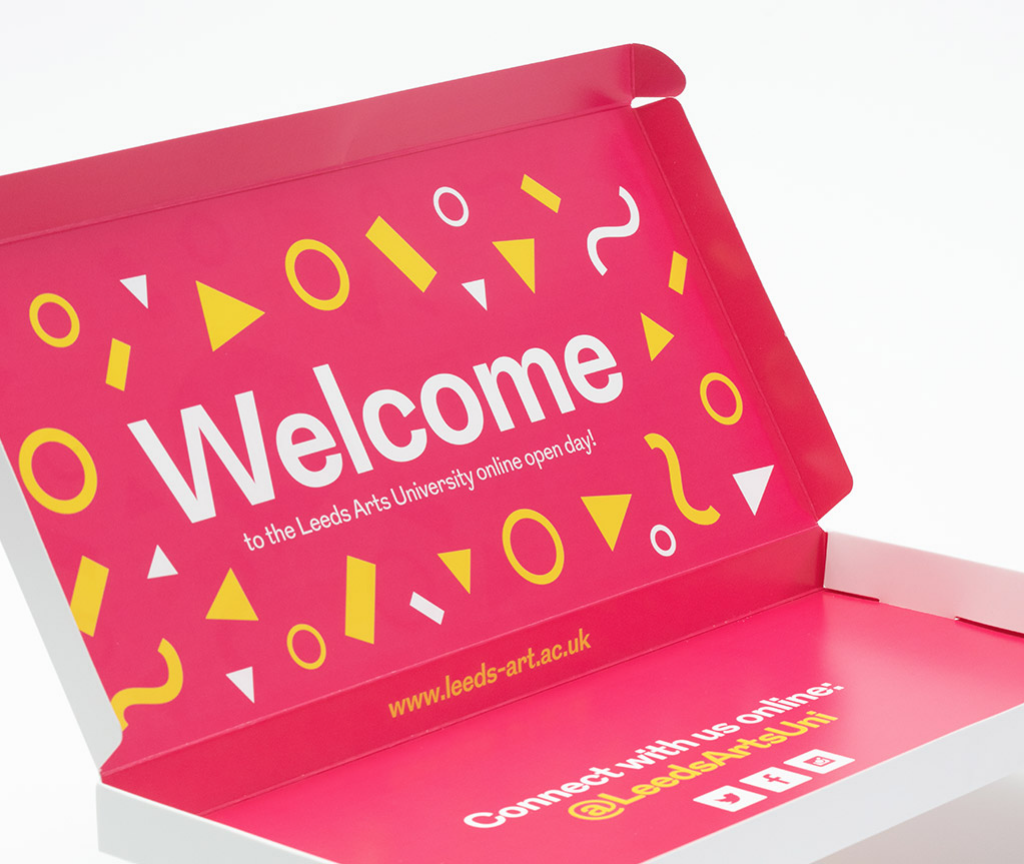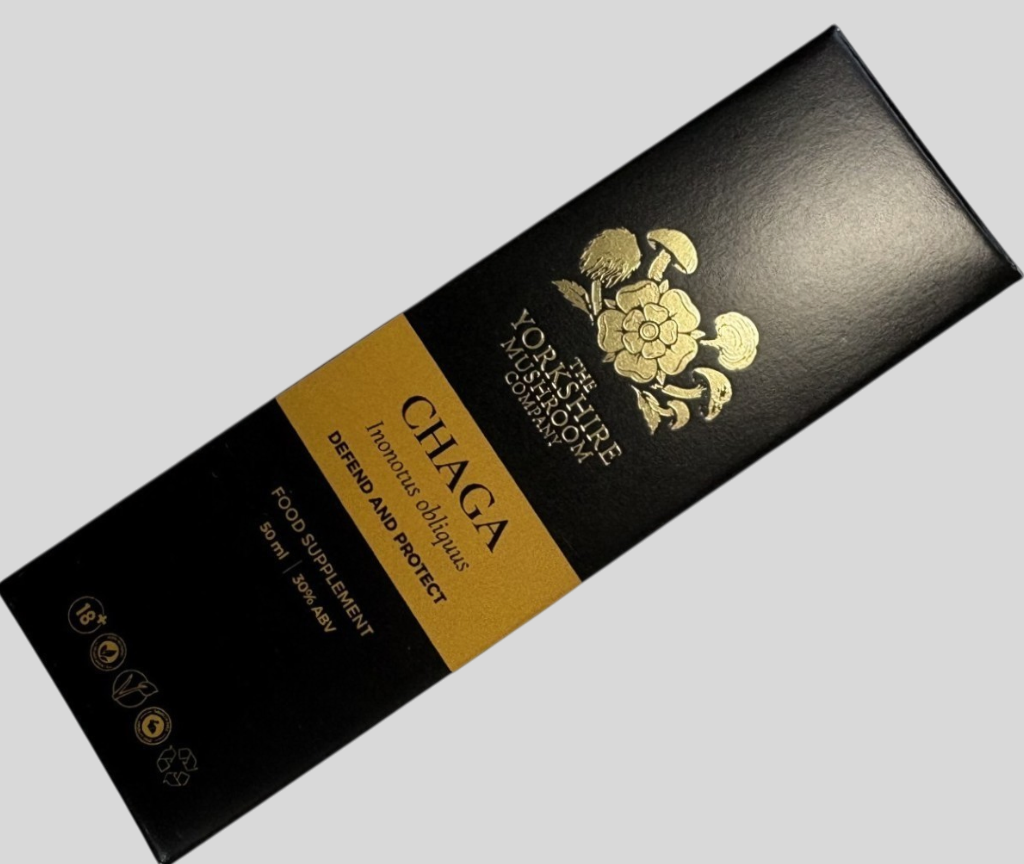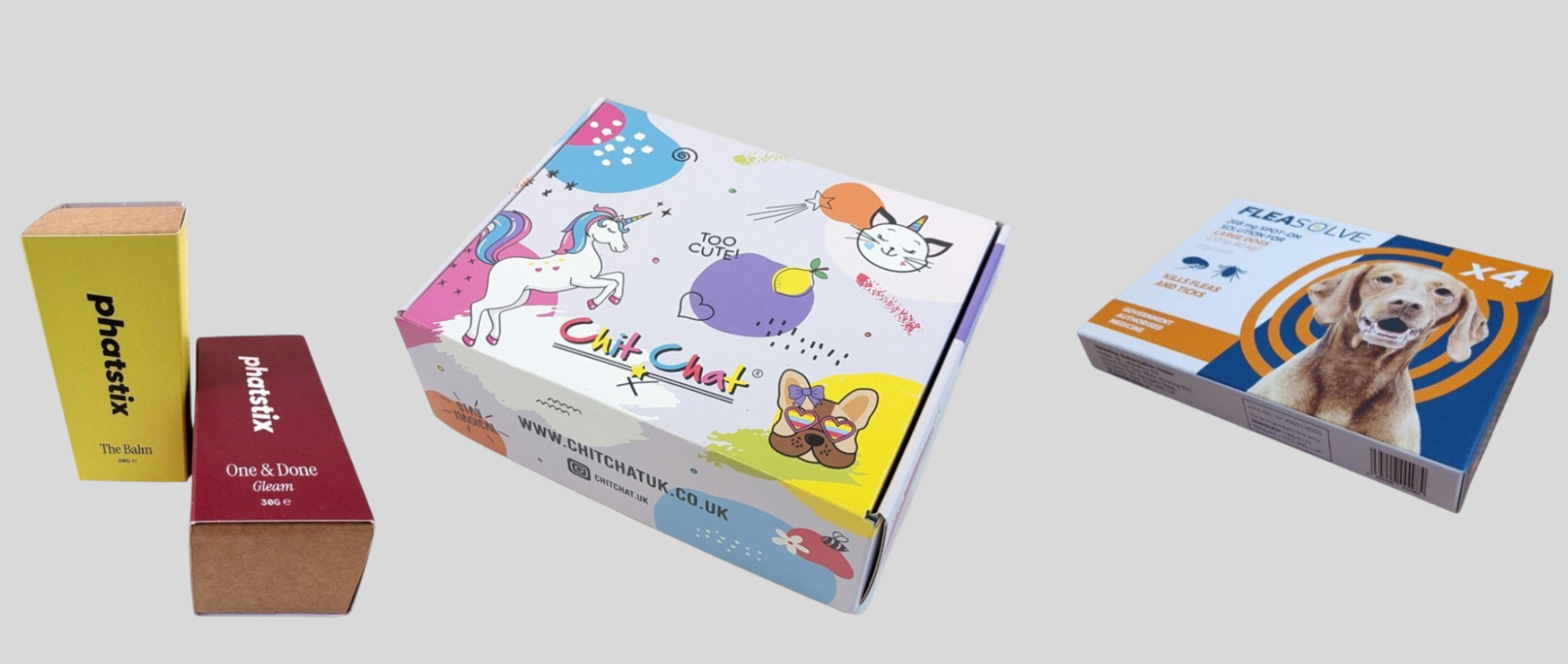
From Design to Finished Carton: How We Bring Your Packaging to Life
From Design to Finished Carton: How We Bring Your Packaging to Life
Have you ever wondered what happens between the initial idea for a box and receiving the finished packaging, ready to showcase your product?
At Platinum, we take your packaging from concept to completion, combining creative design, technical expertise and high-quality print production to create packaging that looks impressive and performs exactly as it should.
With over 37 years of experience, we understand that packaging needs to do much more than look good. It must protect your product, meet practical requirements, reflect your brand identity and make the right impression on your customers.
From bespoke retail cartons and product packaging to premium branded boxes, we work closely with you throughout the process to ensure every detail is considered.
Let’s take a closer look at how we turn your packaging ideas into finished cartons.
Getting the Structure Right
Before we think about colours, graphics or finishes, we need to establish how your packaging will work.
Structural design is one of the most important stages of carton production. Every product has different requirements, so we consider factors such as its size, weight, shape and fragility, alongside how the finished carton will be stored, transported, displayed and packed.
We also consider whether your products will be packed by hand or on automated packing lines, as this can influence the most suitable carton design.
Depending on your requirements, we can explore different closure styles, including tuck-end cartons, lock-bottom designs and crash-lock bases. If a standard format doesn’t meet your needs, our team can develop a bespoke structural solution tailored to your product.
Once the design and dimensions have been agreed, a technical cutting guide, known as a keyline, is created. This outlines the shape of the carton, including its cutting lines, creases, folds and glue areas. It provides the foundation for the artwork and subsequent production stages.
Material selection is equally important. Choosing the right board grade and thickness helps ensure your carton provides adequate protection while delivering the appearance and performance you need.
At Platinum, we can help you explore suitable packaging materials, including more sustainable options, so your finished cartons balance functionality, presentation and environmental considerations.
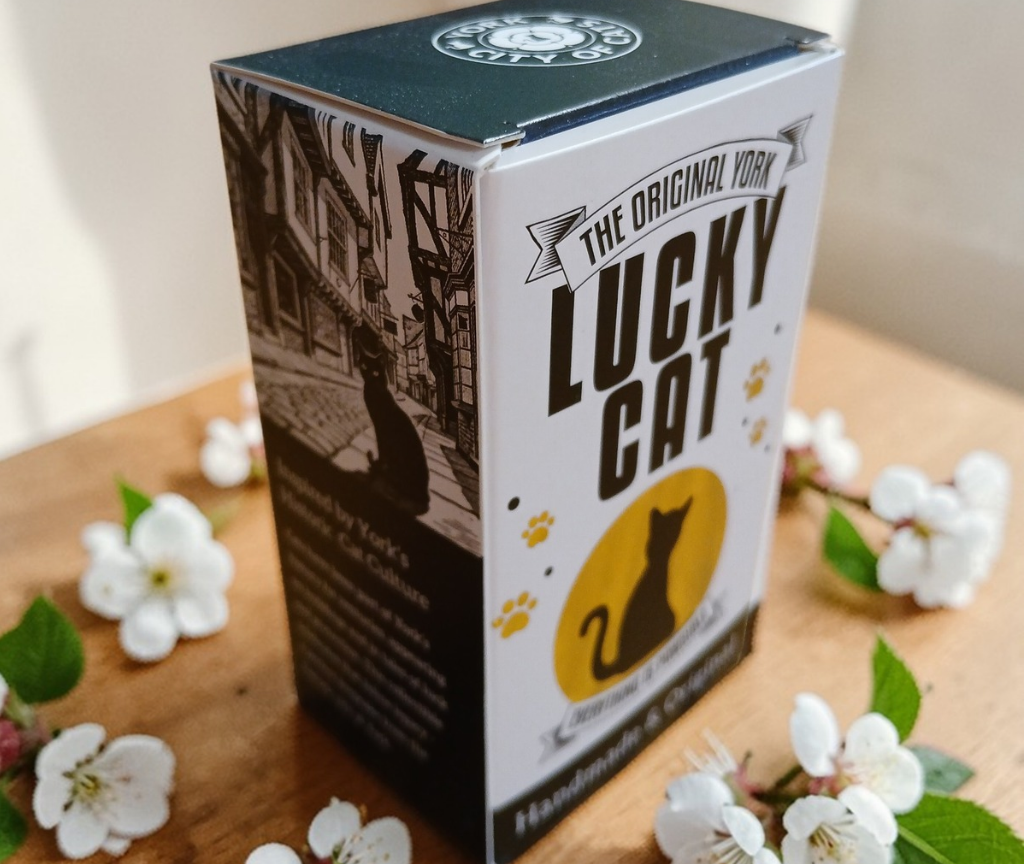
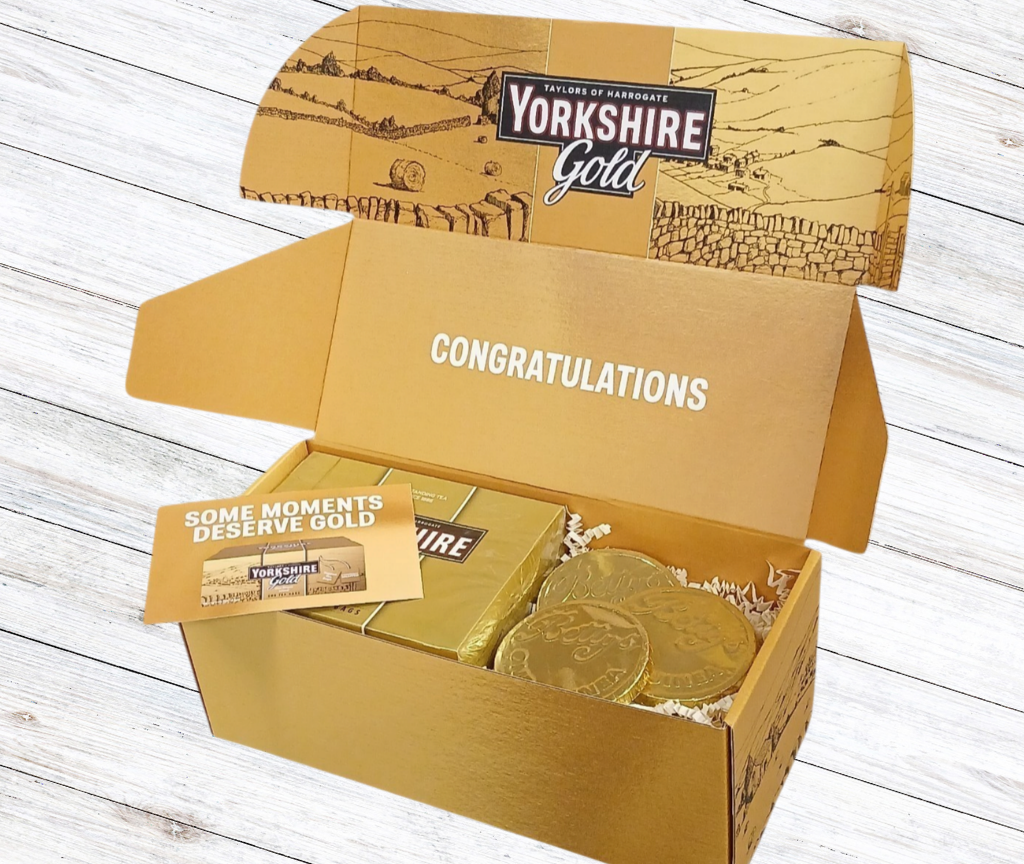
Preparing Your Artwork
With the structural design established, attention turns to the artwork.
This is where your branding, imagery, product information and creative ideas come together. However, carton artwork requires careful preparation to ensure the design translates accurately from screen to the finished printed product.
Artwork must be set up to the correct specifications, taking into account the carton keyline, bleed, colour settings and any specialist finishes.
For example, artwork generally requires a minimum 3mm bleed to allow for slight variations during trimming. Files should normally be supplied in CMYK colour mode rather than RGB, and any special Pantone colours or finishing requirements must be clearly identified.
It’s also important to consider the positioning of text, logos and essential product information. Small text, for example, needs particular attention to ensure it remains legible in the finished print.
Our experienced team can help guide you through these technical requirements, checking artwork before production and identifying potential issues that could affect the final result.
By getting everything right at this stage, we can help minimise costly errors, avoid unnecessary delays and ensure your packaging is ready for the next stage.
Bringing Your Design to Life with Quality Printing
Once the artwork has been approved, it’s time to bring your design to life.
At Platinum, we offer both digital and lithographic printing, allowing us to recommend the most appropriate solution based on your quantities, budget, timescale and desired finish.
Adding the Finishing Touches
A well-designed carton can make an immediate impression, but finishes can take your packaging to another level.
Finishing techniques introduce additional texture, shine and visual interest, helping your product stand out on the shelf and reinforcing the quality of your brand.
At Platinum, we can help you explore a range of finishing options to complement your packaging design.
Foiling adds a metallic or coloured effect to selected areas of your carton. Gold and silver are popular choices for premium packaging, while coloured and holographic foils can create a more distinctive look. Foiling is particularly effective for highlighting logos, brand names and key design elements.
Embossing and debossing introduce a tactile dimension to your packaging. Embossing raises selected areas of the surface, while debossing presses them into the material. Both techniques can add depth and sophistication to your design, creating a finish customers can see and feel.
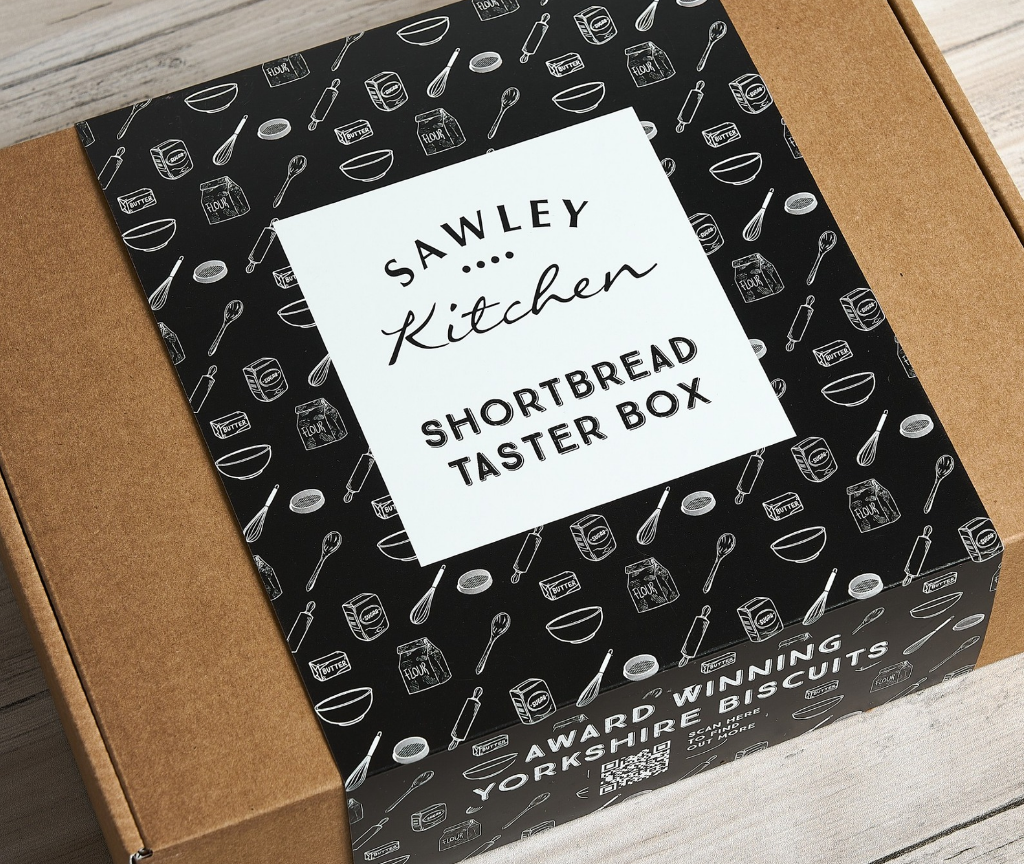
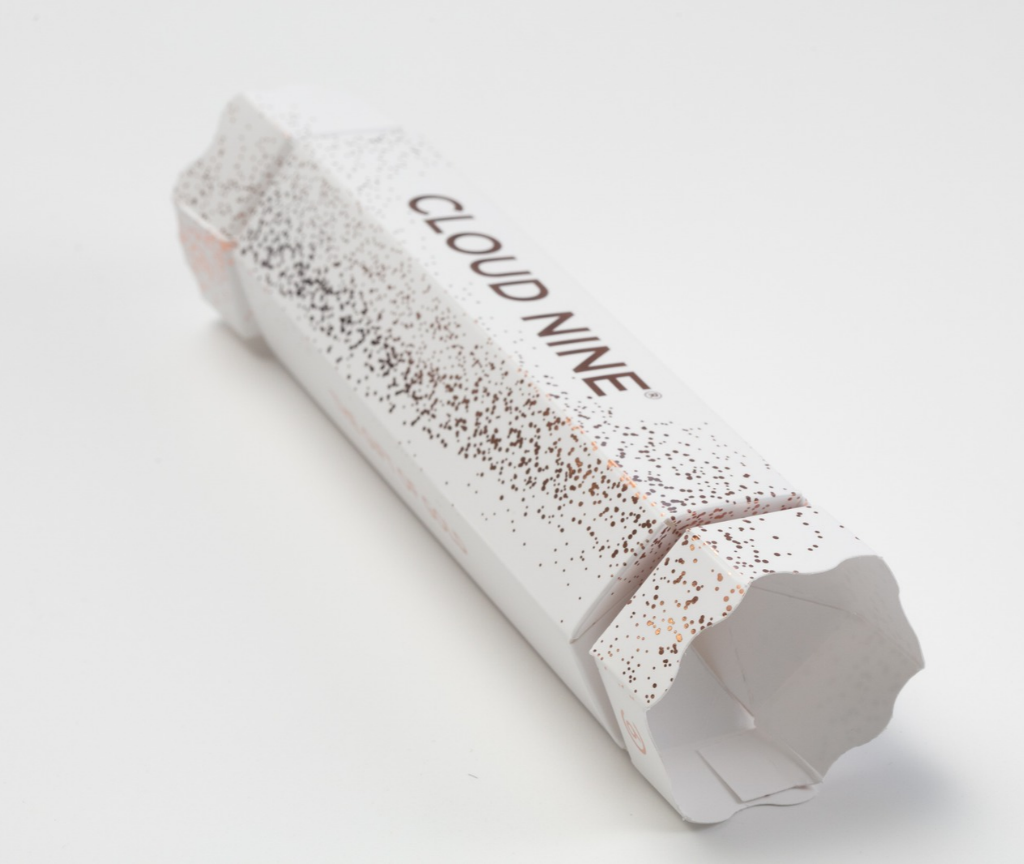
Spot UV applies a high-gloss coating to specific areas of the design, creating contrast against a matt or uncoated background. It’s an effective way to highlight logos, patterns and important details without overwhelming the overall design.
Die-Cutting: Creating the Carton Shape
Once printing and any appropriate finishing processes are complete, the flat printed sheets are transformed into the shape of your carton through die-cutting.
A bespoke cutting forme is produced to match the original structural design. This tool cuts the board to the required shape while creating crease lines that allow the carton to fold accurately during assembly.
Precision is essential at this stage. The cuts, folds and panel dimensions must align correctly to ensure the carton assembles as intended and maintains its structural integrity.
Accurate die-cutting also helps ensure that printed graphics, logos and other design elements sit correctly on the finished packaging.
Our team pays close attention to quality throughout production, helping ensure the finished cartons meet the agreed specifications and maintain a consistent, professional appearance.
Gluing and Assembly
With the cartons cut and creased, the next stage is glueing.
Depending on the design, a carton may require just a single glue line or several adhesive points to create a secure, reliable structure.
For example, a straightforward tuck-end carton may need a simple glued seam, while a more complex design with a crash-lock base can require additional adhesive points to ensure it assembles correctly.
The positioning and application of the adhesive are crucial. Poorly applied glue can affect the carton’s strength, appearance and ability to withstand handling and transportation.
The result is packaging designed not only to look good but also to perform reliably throughout its journey.
Quality Checks and Delivery
The final stage is getting your finished cartons ready for delivery.
Once ready, cartons are carefully packed and secured for transportation to help minimise the risk of damage in transit.
Where appropriate, cartons are supplied flat-packed. This helps reduce the space required for storage and transportation, making handling more efficient and allowing you to assemble the packaging when needed.
Ready to Bring Your Packaging Ideas to Life?
From the first structural drawings to the final printed carton, every stage plays an important role in creating packaging that works.
At Platinum, we combine design expertise, advanced printing technology and quality-focused production to deliver bespoke packaging solutions tailored to your needs.
Whether you need a one-off mockup, a short production run or a larger quantity of custom-printed cartons, we’re here to help.