Is Your Packaging Costing You Sales?
Is Your Packaging Costing You Sales?
Some businesses lose sales because of pricing, others because of competition. Then there are those quietly being sabotaged by something sitting right in front of them the whole time: their packaging.
Yes, that humble box, pouch, or wrap might be costing you a lot more than you think.
Cardboard Salesperson
Packaging has a surprisingly demanding job description. It has to contain, protect, preserve, transport, inform and most importantly, sell things.
That’s a lot of pressure for something that also has to survive being dropped, stacked, thrown around by couriers, and occasionally sat on.
And yet, when it works well, packaging quietly becomes your best salesperson. When it doesn’t, it becomes that awkward employee who scares customers away at the door.
The “I’ll Just Have a Look Around” Problem
Customers don’t spend ages analysing packaging. They judge it in seconds. Sometimes milliseconds. Blink, and you’ve been mentally filed under “meh”.
If your packaging doesn’t instantly communicate “this is good, trustworthy, and worth your money”, shoppers will happily move on to a competitor that does a better job of looking the part.
Poor packaging tends to lead to:
- Products quietly ignored on shelves
- A suspicious lack of “wow, I need this” moments
- Customers assuming your product is cheaper (even when it’s not)
- And the dreaded one: no repeat purchase
Brutal, but fast.
Humans Really Do Judge Books by Covers
Let’s be honest: we are all easily impressed by shiny things.
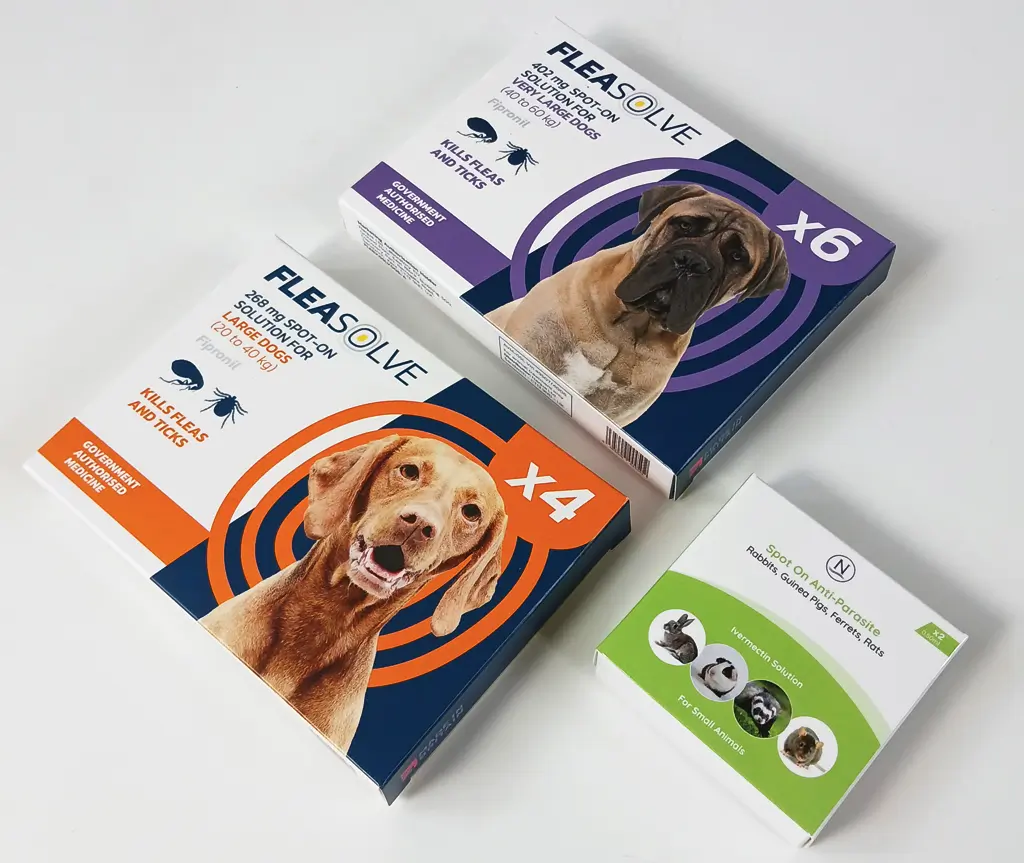
That’s why packaging finishes matter. Done well, they can turn “just another product” into “ooh, what’s this?”
Some popular attention-grabbers include:
- Foil blocking – for when you want your product to whisper “luxury”
- Embossing & debossing – tactile proof that yes, this is indeed fancy
- Lamination – the raincoat of packaging, but make it stylish
- Spot UV – selective glossiness for dramatic effect
Used properly, these finishes don’t just decorate packaging, they elevate it.
Of course, not every product needs luxury finishes. Sometimes the smartest packaging decisions are practical ones. Choosing the right board can make all the difference. For example, a single-sided box board with a cream reverse can be perfectly suitable for many applications and may offer cost savings compared to a double-sided option. Good packaging isn’t always about spending more; it’s about choosing materials that are fit for purpose.
Expensive mistakes
One of the most expensive packaging mistakes is also the most avoidable: not protecting the product properly.
Because nothing says “great customer experience” like opening a parcel to find your product has been shaken, rattled, and emotionally destroyed in transit.
Suddenly you’re dealing with:
- Refunds
- Replacements
- Shipping costs (again)
- Customer complaints
All of this could often be avoided with better structure, smarter materials, and not treating internal packaging like an optional extra.
The Small Test Run
There is a special kind of business regret that only appears after ordering 10,000 units of something you’ve never actually tested in real life.
On screen, everything looks perfect. In reality, the box is too tight, the product rattles like a maraca, and opening it requires the patience of a monk.
That’s why short-run production and test boxes can be invaluable.
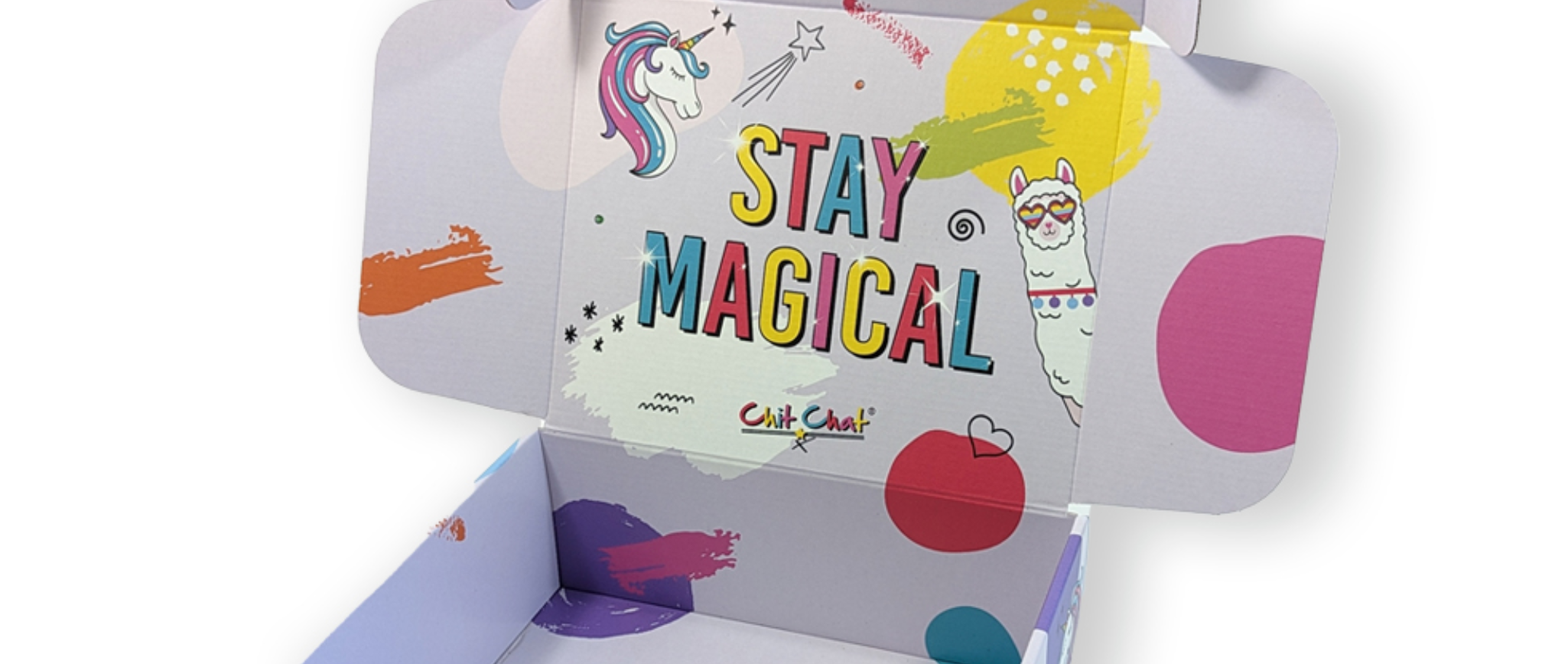
Many businesses assume they need to commit to large print runs before they can properly evaluate their packaging. In reality, modern digital print capabilities mean it’s possible to produce short-run sets and test boxes that let you physically assess the design, fit and functionality before committing to volume production.
They help you catch things like:
- “Oops, it doesn’t actually fit”
- “Why is this impossible to open?”
- “Oh no, it explodes in transit”
A small test now is much cheaper than a large-scale panic later.
The Silent Budget Drain
Oversized packaging quietly drains money in ways such as:
- Extra material costs
- Higher storage requirements
- More void fill than product
- Expensive shipping (thanks, dimensional weight pricing)
- Warehouse chaos that resembles cardboard Tetris gone wrong
At some point, you’re basically paying to ship empty space across the country.
Good packaging design can also help maximise efficiency. Small adjustments to dimensions and layout can often allow more units to fit onto a sheet, reduce material waste and help products meet postal size thresholds, all of which can have a surprisingly positive impact on your bottom line.
Reputation in a Box
Customers absolutely do judge your product by its packaging. Sometimes fairly. Sometimes not. But they definitely do.
A crushed box or cheap-looking design doesn’t just feel disappointing, it raises questions:
“If they didn’t care about the outside… what’s going on with the inside?”
And once that doubt creeps in, it spreads quickly through reviews, word-of-mouth, and the internet’s favourite hobby: publicly sharing disappointment.
Fixing that perception later is possible, but far more expensive than just getting it right early.
The good news? You don’t have to figure it all out alone. Whether it’s selecting the most appropriate material, developing structural packaging that protects the product, creating test boxes before a full production run or optimising designs to reduce costs and improve shipping efficiency, the right packaging partner can help turn your packaging from a hidden expense into a genuine sales tool.
In many cases, the difference between “sold out” and “still in stock” isn’t the product inside the box…
It’s the box itself.