
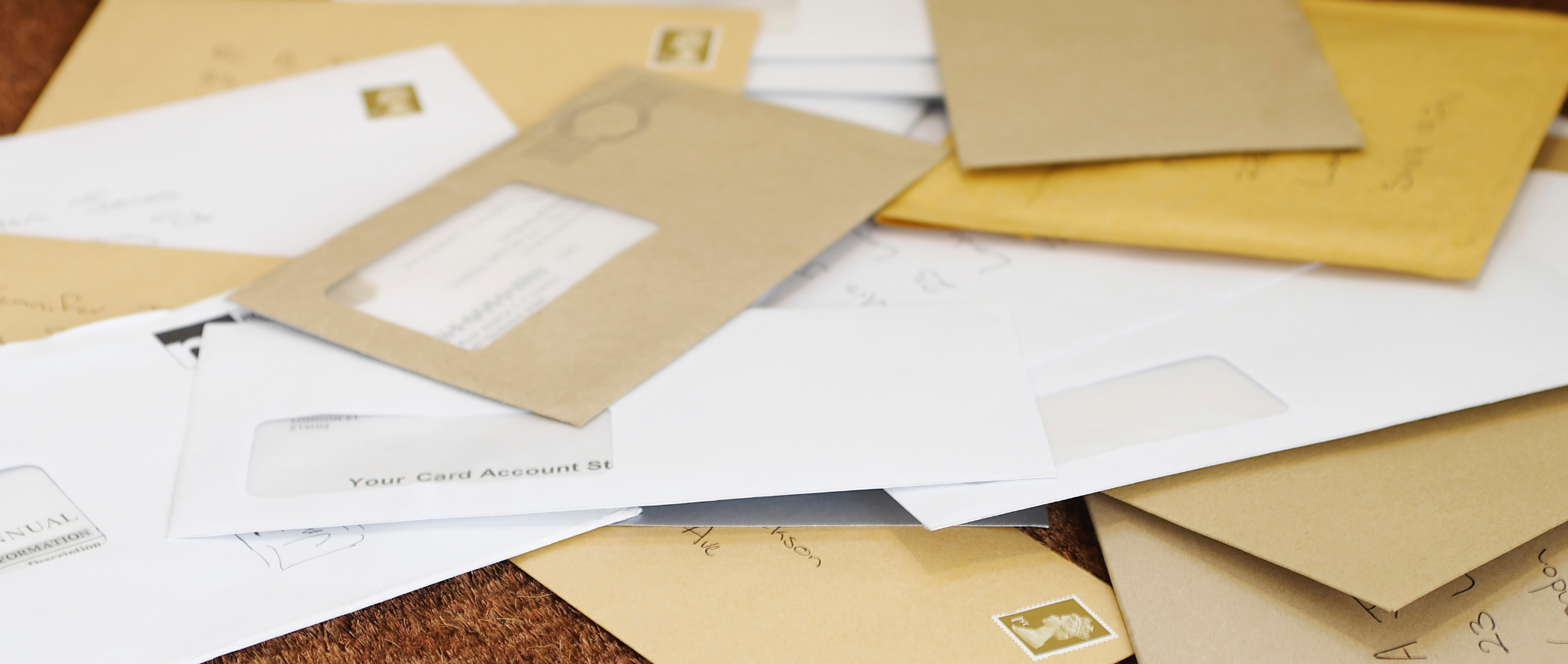
Matching Paper Weight to Envelope Size: A Practical Guide for Businesses
When sending documents by post, most businesses focus on page count and envelope size. However, the real deciding factor in how much you can fit, is cumulative paper thickness.
Even small increases in paper weight (GSM) can significantly reduce how many sheets fit comfortably inside an envelope, for example switching from 80gsm to 100gsm paper can reduce capacity by nearly 20%.
This difference can significantly impact envelope choice and postage pricing.
Choosing the right combination of paper and envelope not only protects your documents but also helps control postage costs and maintain a professional presentation.
Why Paper Weight Matters
Paper thickness is usually measured in GSM (grams per square metre). While GSM technically measures weight, heavier paper is generally thicker.
Here’s a guide to common office paper types:
| Paper Type | GSM | Approx. Thickness per Sheet |
| Lightweight copier paper | 80gsm | 0.102 mm |
| Standard office paper | 90gsm | 0.114 mm |
| Premium printer paper | 100gsm | 0.124 mm |
| Letterhead / heavier stock | 120gsm | 0.139 mm |
A fraction of a millimetre might not seem significant, but it quickly adds up when stacking multiple sheets.
That accumulated thickness determines whether your envelope sits neatly within postal limits, or tips into a higher pricing bracket.
For everyday correspondence, 90gsm paper offers the best balance between durability and capacity. For premium presentations or marketing materials, heavier stock enhances quality but requires careful envelope selection.
Envelope Sizes and Their Capacity
Envelope capacity depends on more than just length and width. It is influenced by:
- Whether the envelope includes expandable gussets
- The maximum postal thickness allowance (5mm for standard letters and up to 25mm for large letters)
Below are typical capacities using 100gsm paper.
DL Envelope (110mm x 220mm)
Fits A4 folded into thirds
- Comfortable capacity: 3-5 sheets
- Estimated thickness limit: 3mm
Overfilling can cause bulging and may exceed standard letter thickness limits.
C6 Envelope (114mm x 162mm)
Fits A4 folded into quarters or A6 paper
- Comfortable capacity: 5-10 sheets
Best suited for invitations, short letters, or lightweight documents.
C5 Envelope (162mm x 229mm)
Fits A4 folded once
- Comfortable capacity: 10-15 sheets
Commonly used for contracts, reports, and multi-page documents.
C4 Envelope (229mm x 324mm)
Fits unfolded A4 sheets
- Comfortable capacity: 20-25 sheets
View our C4 envelope templates
Gusset (Expandable) Envelopes
Designed for bulkier contents, these envelopes include expandable sides or bases.
- Capacity: 100–250+ sheets
- Thickness allowance: 20–40mm depending on design
Ideal for presentation packs, brochures, reports, and heavier printed materials.
This difference can significantly impact envelope choice and postage pricing.
Other Factors That Affect Fit
Thickness alone doesn’t tell the full story.
Additional elements can increase bulk:
Folding
Fold lines create additional thickness.
Staples and paper clips
Add localised bulk and may stress seams.
Mixed paper types
Combining heavier covers with lighter internal sheets alters overall thickness.
Being mindful of these details helps prevent damaged envelopes or unexpected postal surcharges.
Postal Thickness Limits to Consider
Postal services operate within defined thickness categories:
- Standard letter: up to 5mm thick
- Large letter: up to 25mm thick
Exceeding these limits can significantly increase mailing costs, especially for bulk distributions.
Matching paper weight to envelope size is a simple but powerful way to manage mailing efficiency.
Ready to streamline your business mail? Speak to Platinum and let our team help you find the most efficient and professional postal solution.